
For Chris Rauchegger, craftsmanship has never simply been a profession. It is something he grew up with.
ABOUT
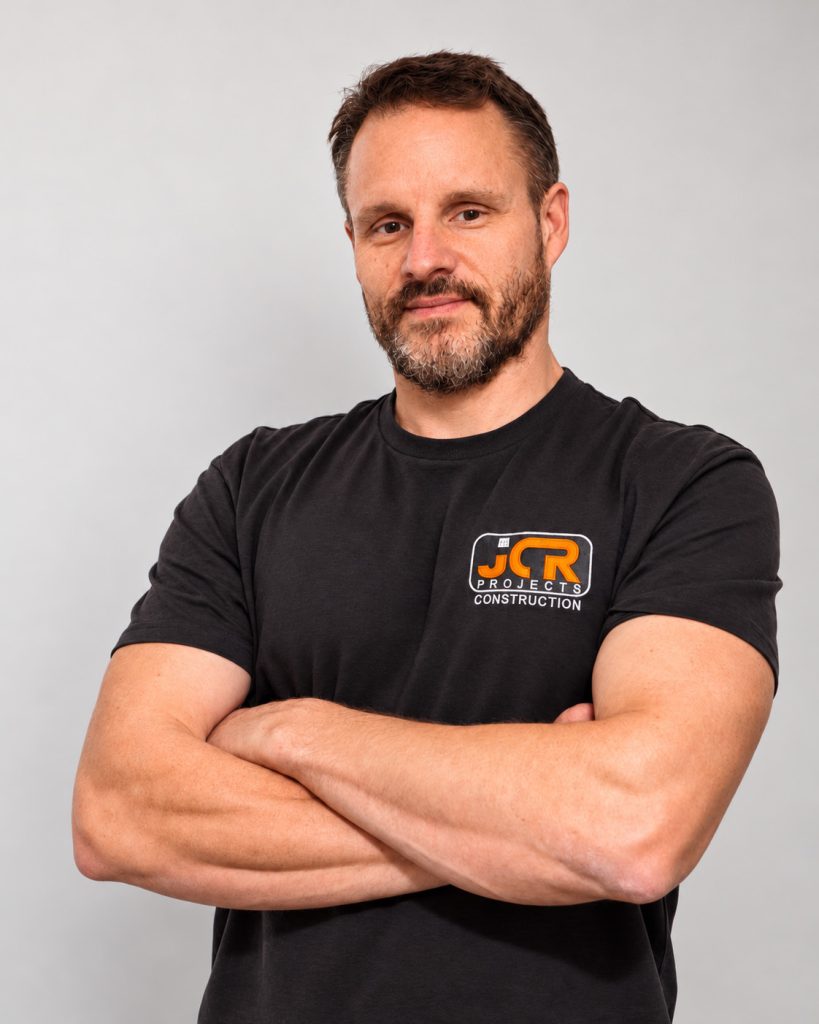
Raised in a small village in South Tyrol, northern Italy, Chris spent his childhood living directly above his father’s joinery workshop. His father was a joiner, as was his maternal grandfather, so the smell of timber, the sound of the workshop and the process of making things properly were part of everyday life from an early age.
Chris followed the family tradition, training formally as a joiner and completing his apprenticeship with a local joinery company before qualifying in the trade. That traditional training gave him a lasting appreciation for precision, materials and attention to detail.
After moving to London, Chris began working for a property developer, where he expanded his knowledge beyond joinery and learned the wider building trade from the ground up.
More than 20 years ago, Chris began working independently, gradually building his experience and taking on increasingly ambitious projects. That journey eventually evolved into JCR Projects Constructions Ltd, established in 2016.
Over the years, JCR has increasingly specialised in the kind of projects Chris finds most rewarding: bespoke, architect-led work where design, craftsmanship and technical problem-solving come together. These are often projects with unusual details or challenging construction requirements, where the solution isn’t always obvious from the outset and close collaboration between builder, architect and client makes the difference.
More recently, that same interest in doing things properly has naturally extended to how buildings perform. Chris is now a Certified Passive House Contractor, and JCR increasingly works with renewable and energy-efficient technologies, including solar installations and air-source heat pumps.
There is also a strong emphasis on responsible material choices, particularly responsibly sourced timber, and on considering the environmental impact and longevity of what is being built.
From a small joinery workshop to complex architectural projects in and around London, the scale and technology may have changed, but Chris’s approach has remained remarkably consistent: